The Power Heart of Drones: A Comprehensive Guide to Drone Batteries
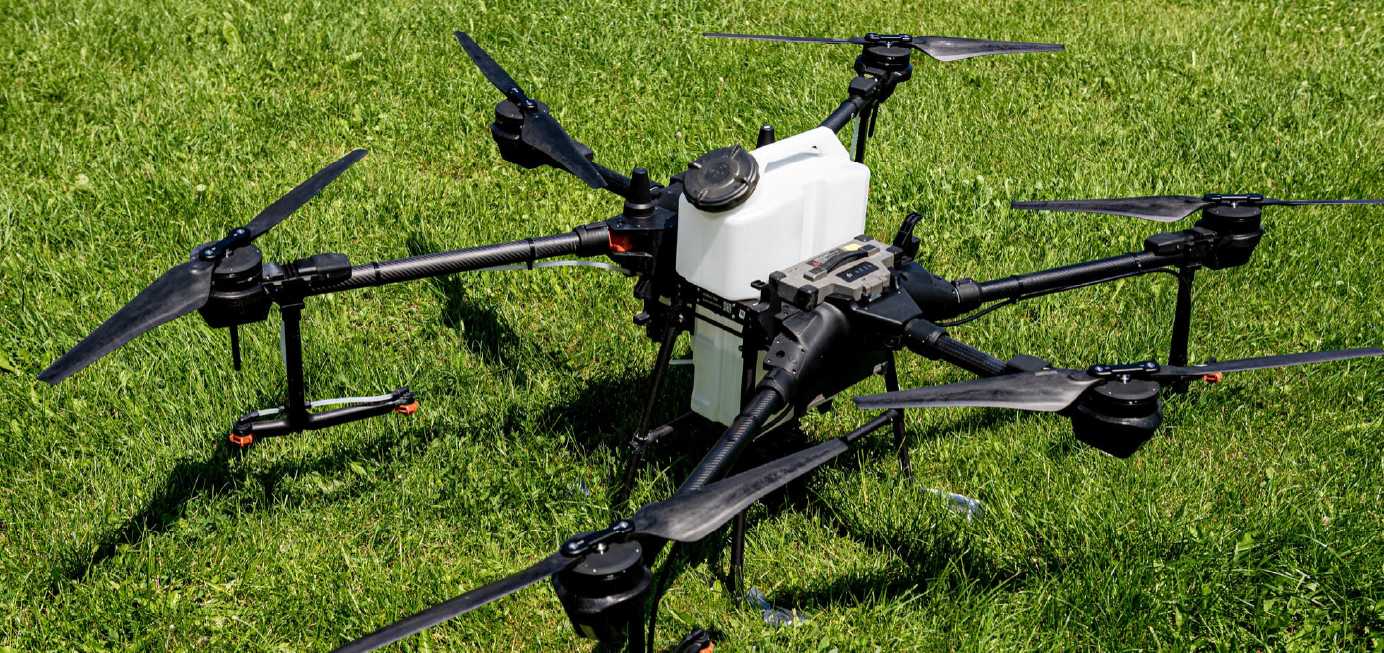
When we gaze at drones soaring freely in the sky, we often marvel at their stable flight and agile handling. However, supporting all of this is a component we often hold in our hands but may not fully understand—the battery. It acts like the heart of the drone, providing energy for all its actions. Today, let's pull back the curtain on the mystery of drone batteries.
I.The Main Player: Why Lithium-Polymer?
Currently, almost all consumer and professional drones use Lithium-Polymer batteries. You might wonder, why not the Lithium-ion batteries common in our phones, or older Nickel-metal hydride batteries?
This comes down to three core requirements drones have for their power systems:
- High Energy Density: Need to store as much electrical energy as possible within a limited volume and weight to ensure longer flight times.
- High Discharge Rate: During takeoff, climbing, and high-speed flight, drone motors require immense instantaneous power, demanding the battery to release large currents quickly.
- Lightweight and High Flexibility: Li-Po batteries use a soft pouch casing, unlike the rigid metal shell of Li-ion batteries, allowing them to be made into various flat, lightweight shapes that perfectly fit the drone's airframe structure.
In simple terms, a Li-Po battery is like an "energy-packed, high-performance lightweight athlete," perfectly suited for devices like drones that are highly sensitive to weight and power.
II.Reading the Battery's "ID Card": Key Parameters Explained
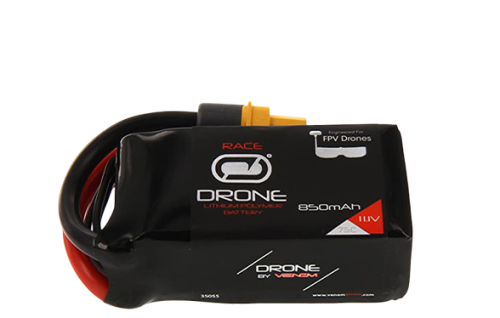
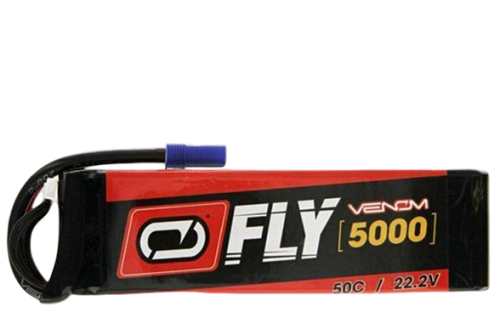
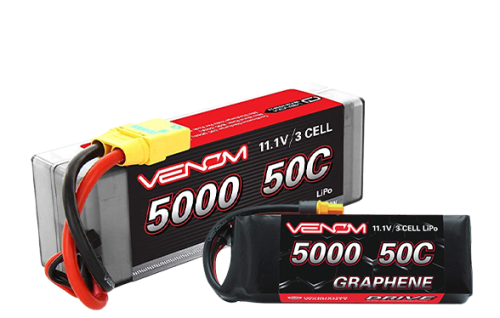
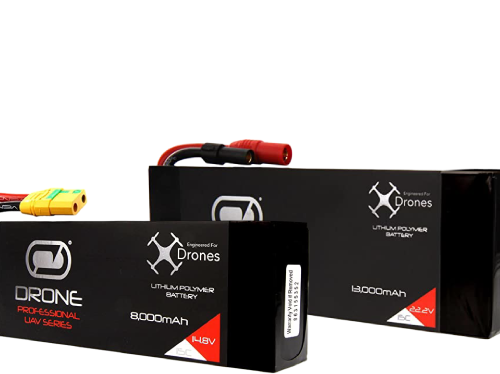
When you look at a drone battery, you'll see a string of numbers and letters, e.g., 11.4V 3000mAh 3S2P 45C. This is its "ID card." Understanding it is crucial.
- Voltage: The "pressure" of the battery. The nominal voltage of a single Li-Po cell is typically 3.7V. Drone batteries increase voltage by connecting multiple cells in series.
- 3S: Means 3 cells in Series. Total voltage is 3.7V * 3 = 11.1V (11.4V is labeled based on near-full charge voltage). Higher voltage provides stronger power to the motors.
- Capacity: The "fuel tank size" of the battery. The unit is milliampere-hour, indicating how much current the battery can discharge continuously for one hour.
- 3000mAh: Means it can discharge at 3000 milliamps (3A) for 1 hour. Capacity directly determines how long your drone can fly.
- Discharge Rate: The "burst power" of the battery. Denoted by the letter C. It represents the maximum current the battery can safely deliver continuously.
- 45C: Calculated as Capacity × C-rating. For a 3000mAh battery, Max Continuous Discharge Current = 3Ah * 45 = 135A. A higher value means the battery is better suited for intense flying (e.g., racing, acrobatics).
- Cell Configuration:
- 3S2P: S stands for Series, P stands for Parallel. 3S2P means "3 series, 2 parallel," using 6 cells total. Series increases voltage, parallel increases capacity.
III.Extending the "Heart's" Lifespan: Usage and Maintenance Guide
Lithium batteries are consumables, but good habits can significantly extend their life (typically 300-500 cycles before capacity drops to 80%).
1.The Golden Rule: Never Over-Discharge!
Always pay attention to the low-battery warning during flight. Never drain the battery completely before landing. Most drones are set to automatically Return-to-Home at around 20%-30% battery. Over-discharging causes irreversible damage to the cells and can render the battery useless.
2."Full" is Good, But Don't Store Fully Charged
If you won't be flying for the next few days, do not store the battery fully charged. A fully charged state accelerates internal chemical aging. The ideal voltage for long-term storage is 3.8V-3.85V per cell (for a 3S battery, around 11.4V). Many modern chargers and drones themselves have a "Storage Mode."
3.Charge While "Warm," But Avoid "Adding Fuel to the Fire"
Batteries perform best at room temperature (20-30°C). Before flight, if the battery is too cold (e.g., in winter), its activity decreases, leading to shorter flight times. Warm it up indoors beforehand.
4.Never charge a battery immediately after flight when it's still hot
This is very dangerous! Let the battery cool down to room temperature before charging.
5.Use a Smart Balance Charger
Always use the official or a reputable brand's balance charger. It ensures the voltage of each individual cell inside the battery pack remains consistent ("balanced"), preventing damage to the entire pack due to one cell being overcharged or over-discharged.
6.Safety First: Monitor Physical Condition
Regularly check the battery's physical appearance. If you notice bulging, deformation, damage, or leakage, stop using it immediately! Bulging indicates gas generation inside the battery, posing a risk of short circuit, fire, or even explosion. Dispose of it properly as hazardous waste.
IV.Safety is No Small Matter: Risks You Must Heed
Lithium-Polymer batteries are highly concentrated energy sources. Their risks primarily come from short circuits, overcharging, and physical damage.
- When Charging: Charge on a non-flammable surface (e.g., tile, concrete) in a well-ventilated area, and ensure someone is present.
- During Transport: Use a dedicated, fireproof LiPo battery bag or case. Avoid contact between the terminals and metal objects (like keys, coins) to prevent short circuits.
- When Disposing: Do not throw in regular trash. Discharge it completely and take it to a dedicated battery recycling point.
V.Future Outlook: Next-Generation Battery Technology
While Li-Po is currently the standard, technology never stands still. In the future, we might see:
- Solid-State Batteries: Safer, higher energy density, potentially eliminating fire risks and significantly increasing flight times.
- Hydrogen Fuel Cells: Generate electricity through a chemical reaction between hydrogen and oxygen, theoretically enabling ultra-long endurance of several hours, already seeing applications in industrial-grade drones.
Conclusion
Though small, the drone battery is the core of the flight experience and safety. Understanding how it works and caring for it meticulously, like a valued partner, will ensure it repays you with lasting power and reliable performance for every exciting aerial shot. Wishing you safe takeoffs and satisfying landings on every flight.